
The Power of a Deep Breath

There are many things in our day-to-day lives calling out for our attention: phone notifications, advertisements, and traffic signals, to name a few. These demands on our attention want something from us, and they want it now. This means our day is full of things that heighten our stress response. Where are the things that tell us to relax and slow down, because everything is ok and we are safe? Things like loved ones, house plants, and gentle sun rays may serve this purpose, but in relying on them, we are still relying on external signals to regulate our mood and mental state. 

Fortunately for us, there is one internal signal we can give our bodies to relax that is always with us: our breath. A few deep inhales and slow exhales have the power to bring ease and calm to our bodies, allowing us to relax, slow down, and counteract the myriad of overstimulating external signals that seem to bombard us constantly. 

By expanding and filling our lungs deeply, we stimulate the vagus nerve and activate the “rest and digest” nervous system response. By exhaling slowly, we accentuate the automatic response to lower our heart rates and expand our blood vessels as our diaphragms push into our lungs (Julie Corliss, 2023). Mindful breathing has been shown to reduce blood pressure in both the immediate and short term (several days) (Natarajan A, Emir-Farinas H, Su HW, 2024). Other benefits may include reduced anxiety, improved sleep, and improved concentration (Gabriela Pichardo, MD, 2023). 

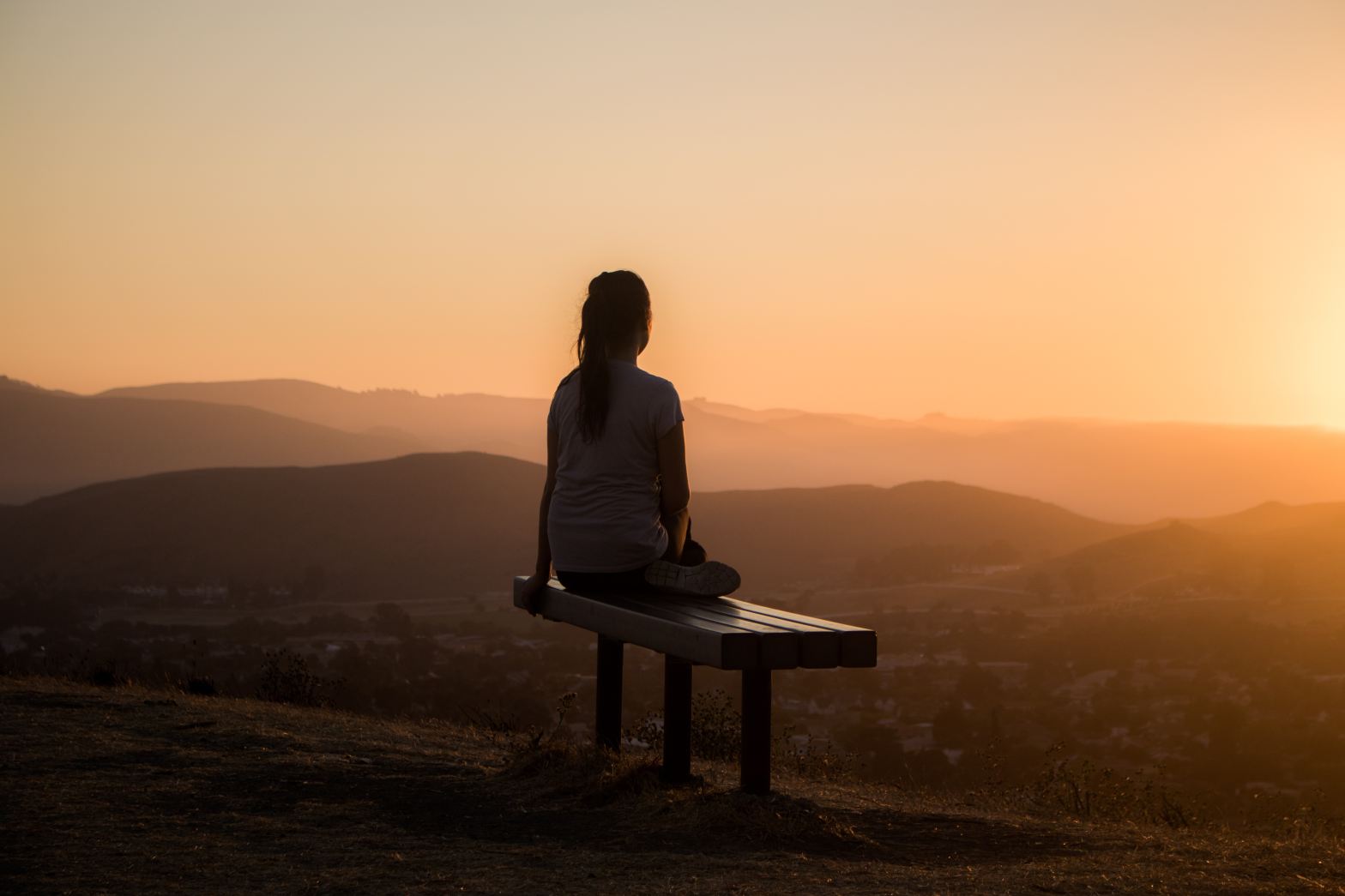
There are many breathing techniques out there, and one you can try is the 4-7-8 technique. This technique involves inhaling deeply for four counts, holding for seven, and exhaling slowly for eight. Sit upright in a comfortable position, close down your eyes, and give it a try for just four cycles. You can set the counting speed however quickly or slowly you need, just be sure to use the same counting speed throughout to maintain the 4-7-8 ratio. Over time, you may be able to slow down the counting speed and lengthen to eight cycles. You might also find it helpful to follow a cue-based video, verbal video, or handout

Once you’ve gotten the hang of this technique, you can use it anytime you need an internal cue to slow down, pause, or reset amidst the chaos of life. 

Let’s Get Spooky

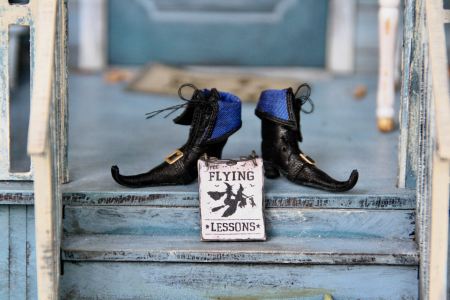
The leaves are falling, there’s a crispness to the air, and orange gourds fill front stoops – that’s right, it’s spooky season. Halloween and the days preceding it bring to mind memories of traipsing around the school yard in costumes and gallivanting around the neighborhood in search of treats. I have on some years as an adult dressed up for Halloween and celebrated with friends, and I must admit I have at times felt a little silly about that fact. Though dressing up and playing make believe comes so easily as a child, we often lose that ease as adults. 

A few weeks ago I was preparing to teach a class on Friday, October the 13th, and trying quite hard to come up with a way to tie in the idea of superstitions and Halloween to class (Is there something about letting go of superstitions tied to aparygraha? Is there something connected to self-study (svadhyaya) about why we believe superstitions? Is there something about being content (santosha) with who we are instead of putting on a costume?). Then I came to a very simple and clear realization: there doesn’t need to be a lesson in everything.

Instead of sharing a lesson and inviting my students to work on something on the mat during class, I instead invited them simply to enjoy moving their bodies and maybe be a little silly. With some inspiration from another yoga blog, I guided my class through some “spooky” poses peppered with arguably silly cues (“Feel free to flick your wrist and cast a spell on the person behind you. It can be a nice spell!”). I did feel a little ridiculous at times during class, but sometimes that’s needed to have fun. If you’re keen to get a little silly with some spooky poses, here are two that are a great place to start: 

Black Cat Pose

This is physically the same as cat pose (of cat/cow), but invites you to channel your inner Halloween cat. From table top, inhale to drop your belly and lift your gaze, coming into cow pose. Then, exhale to round through your back, drop chin to chest, and pull your navel towards your spine. Think about looking like a black cat who has just been startled, pulling your back high towards the ceiling. Add a hiss, meow, or any other spooky cat noises before flowing through the sequence a few times. 

Photo by Craig Adderley on Pexels.com

Witch on a Broom Pose

From tadasana, bring your feet together and zip together your legs. Inhale to reach your arms up and overhead, biceps by your ears. Exhale to sink your hips back to what some might call “chair pose” and take flight on your broom. Bonus points: feel free to mount your broom from the side if you really want to embrace your inner witch. Inhale to squeeze your thighs together (can’t let that broomstick slip!), and exhale to sink a little deeper.

Keep your lower body still and inhale to bring your arms straight out in front of you, parallel to the ground. Exhale to pull your right arm behind you for an open twist. Here’s your chance to cast a spell on the person (real or imaginary) behind you. Stay for a few breaths, then inhale back to center and repeat on the other side. 

Photo by Bee Felten-Leidel on Unsplash

And in case you were wondering, yes, I am dressing up and celebrating with friends this Halloween. You’ll find me traipsing around downtown Boulder in a butterfly costume, likely feeling just a little bit silly.

Yamas and Niyamas Reflection Questions

In the last blog, we went through a brief introduction to the first two limbs of yoga – the yamas and niyamas. If you would like to start thinking about how these ethical principles show up in your life, here are some reflection questions you might ponder or use as journal prompts: 

Yamas

  • Ahimsa (nonviolence): How do I treat myself when I make a mistake? Would I treat someone else the way I treat myself?
  • Satya (truthfulness): Am I comfortable expressing my true self even when I think others might not agree or accept me?
  • Asteya (nonstealing): When I listen to a friend speak, do I listen to respond or listen to understand? Do I let the expectations of tomorrow rob me of gratitude for today?
  • Brahmacharya (nonexcess): When I am dealing with a challenging or uncomfortable emotion, do I attempt to soothe it with an overindulgence of something, such as food?
  • Aparigraha (nonpossessiveness): What expectation am I holding onto about how my life should look? Could I let it go?

Niyamas

  • Saucha (purity): When during the day do I fall into the trap of multitasking, or simply go through the motions without being present? How can I prepare myself to be truly present during this time instead? 
  • Santosha (contentment): How do I respond when something happens in a way I dislike? How could I respond with calm acceptance instead? 
  • Tapas (self-discipline): What would it look like if I practiced doing a difficult thing today?   
  • Svadhyaya (self-study): Think about something you believe you “should” do in your life. From which cultural norm or expectation does this belief stem?
  • Ishvara Pranidhana (surrender): Where do I hold on to the need for control in my life? How can I practice surrendering control and allowing what may come?

Yamas and Niyamas

Yoga in the US often focuses on the physical practices of poses, or asana. This is where many (myself included) are first introduced to yoga. While this is a great place to start, yoga has eight limbs, and asana is actually the third limb in this hierarchical structure. 

So, what comes before asana? The first two limbs, the yamas and niyamas, are ethical principles that direct our way of living. There are many ways to translate yamas and niyamas from Sanskrit to English, but one that resonates with me is yamas as moral restraints and niyamas as moral obligations. In other words, they are the do’s and don’ts of living according to yoga. 

I first delved into the philosophical study of yoga during my 200-hour teacher training, and am nowhere near an expert. Here we will walk through a simple overview of the yamas and niyamas. Keep in mind that there are many, many more layers than can be explored in a short list. 

Yamas

  • Ahimsa (nonviolence) calls us to treat ourselves, others, and everything around us with loving compassion through our thoughts, words, and actions. 
  • Satya (truthfulness) calls us to be our true selves, even when it is uncomfortable or doesn’t fit the societal mold. 
  • Asteya (nonstealing) calls us to allow things (events, other people, ourselves) to be as they are and to appreciate them without our own agenda. 
  • Brahmacharya (nonexcess) calls us to enjoy life to the fullest without overindulging or creating addictive actions that end up controlling us. 
  • Aparigraha (nonpossessiveness) calls us to let go of our attachments so we can be ready to receive the gifts that life has awaiting us. 

Niyamas

  • Saucha (purity) calls us to purify ourselves so that we can be truly present during each moment of our lives.
  • Santosha (contentment) calls us not to seek externally a fulfillment of our preferences, but rather to allow our internal sense of calm to guide us through each moment without seeking. 
  • Tapas (self-discipline) calls us to stoke our internal flame and do difficult things to prepare us for all the challenges of life. 
  • Svadhyaya (self-study) calls us to peel back and understand all the layers that surround our core selves. 
  • Ishvara Pranidhana (surrender) calls us to let go of everything and surrender to the higher power in our lives. 

Stay tuned for the next blog post including reflection questions to help you start thinking about how these ethical principles show up in your life. 

The Six Movements of the Spine

Did you know that our spines are designed to move in six different ways? These six movements are needed, in fact, to keep our spines healthy. While we might move through some of these movements in our day to day activities, such as when we twist around in the car to reach something in the back seat, we don’t always fit them all into our day. Understanding the six movements and how to achieve them is the first step in making sure we fit them in each day, and keep our spines healthy and limber. 

Photo by Marta Wave on Pexels.com

The Six Movements (in no particular order)

Extension and Flexion
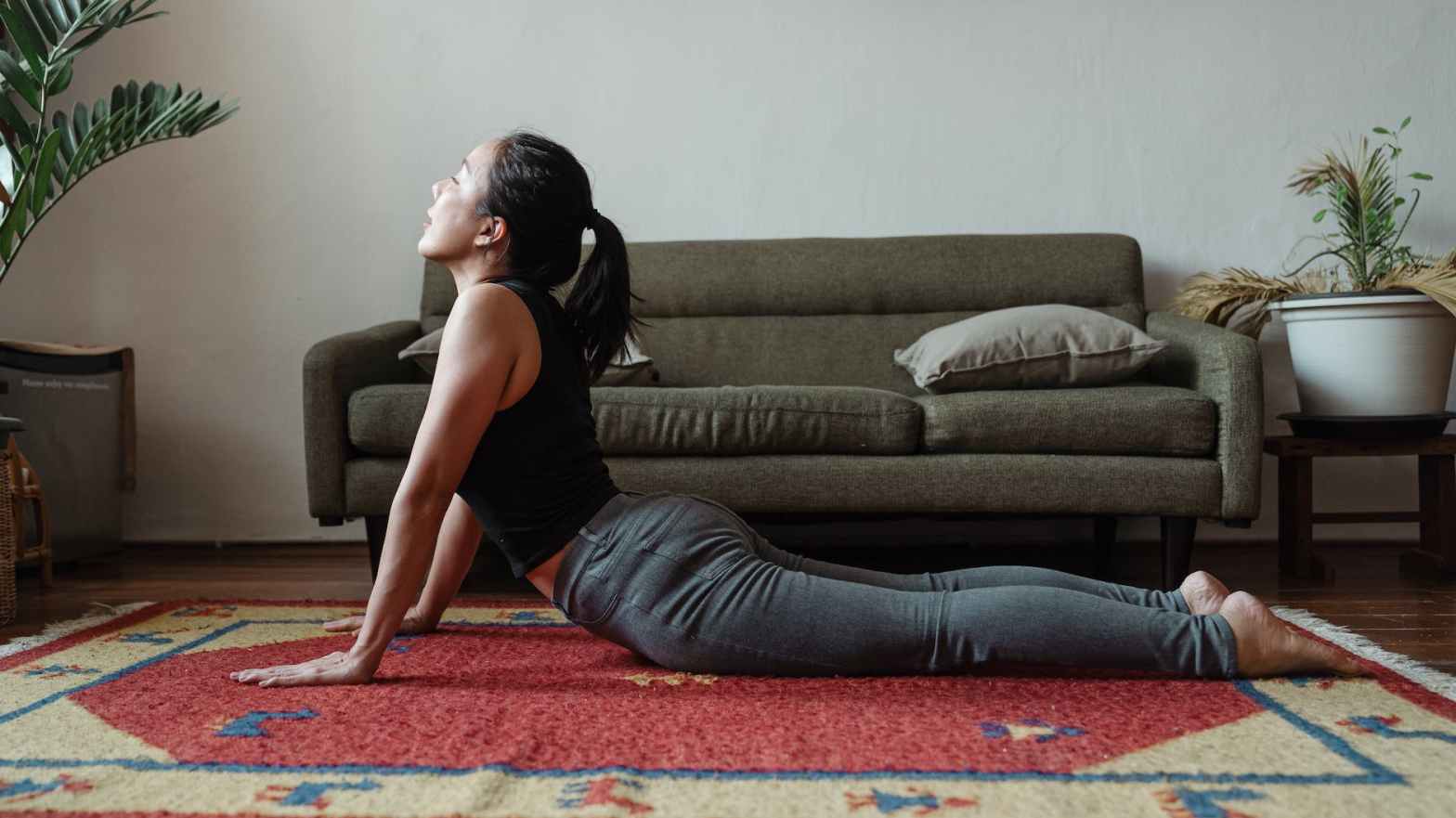
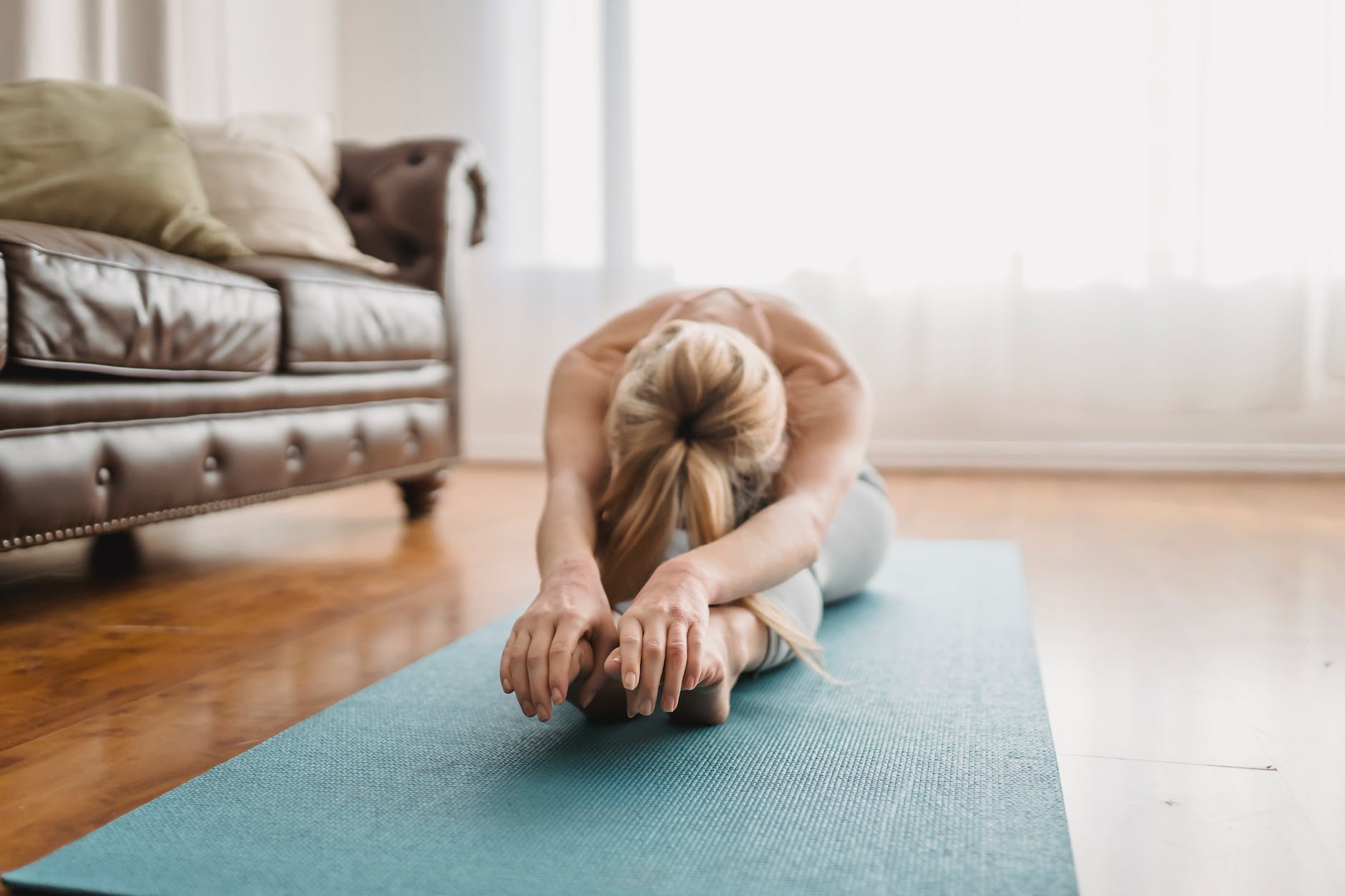
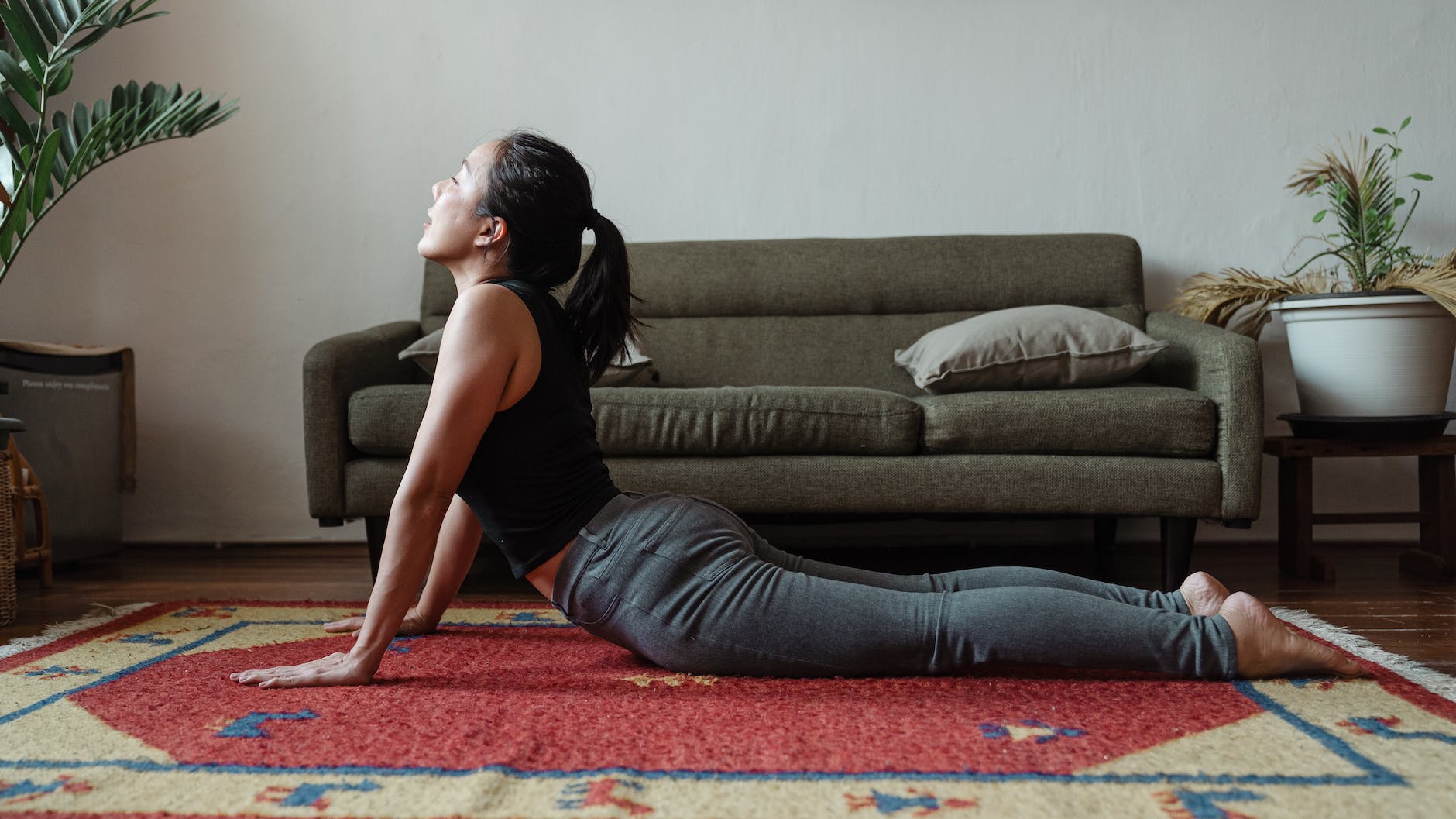
Extension is achieved by lengthening the front side (organ side) of your spine, as in a backbend. Flexion, its partner, is achieved by contracting the front side of your spine, as in a forward fold or cat pose. 

Twist Left and Twist Right
Spinal twist is achieved by spinning the rib cage part of your spine (thoracic spine) to one side while your lower back (lumbar spine) stays pointed forward.

Side Bend Left and Side Bend Right
Side bending is achieved by keeping the rib cage part of your spine facing the same direction as your hips and tipping over to either side. Your hips should stay horizontally level during the side bend. 

Photo by Ketut Subiyanto on Pexels.com

Quick Sequence

Have a few minutes to spare? Complete this quick, simple sequence to move through all six movements of the spine. The entire sequence is done seated in a chair, so you can keep this in your back pocket to sneak in any time of day. 

Setup: Sit on the edge of your chair with your feet flat on the floor, underneath your knees. Tilt your pelvis forward and find your sitz bones underneath you. 

Extension and Flexion (Seated Cat/Cow): Bring your hands to your knees. Inhale and press your chest forward, then curl it up towards the ceiling. Lift your gaze and squeeze your shoulder blades together. Exhale and round through your back while pulling your belly button towards your spine. Drop your chin towards your chest and pull your shoulder blades apart. Repeat 4-6 times. 

Side Bend Left and Side Bend Right (Seated Side Bend): Inhale and sweep your arms overhead. Exhale and lean over towards the right, while keeping your left hip down and even with your right hip. You can bring your right hand to your chair or thigh. Keep your left bicep by your ear, and keep your left shoulder relaxed away from your ear. Inhale back to center with your arms up overhead, and exhale to repeat on the left side. Repeat this sequence, inhaling to center and exhaling to side bend, 4-6 times on each side. 

Twist Left and Right (Seated Twist): Inhale and sweep your arms up and overhead. Exhale and twist your rib cage towards the right, while keeping your hips and knees facing forward. Bring your right hand behind you and your left hand to your right knee. Optional: bring your gaze over your right shoulder. Stay here for 4-6 breaths, inhaling to lengthen through your spine, and exhaling to twist a little deeper. Inhale back to center, then repeat on the other side. 

A Seventh Movement?

There is arguably a seventh movement of the spine – vertical extension. This is achieved by vertically lengthening your spine, such as in an inversion like handstand or downward facing dog. To add this movement to your quick sequence, end with a standing forward fold or downward facing dog.

Finding Time to Practice

Finding time to practice yoga can certainly be a challenge. I am passionate about yoga, have a deep desire to grow my practice as well as share the gift of yoga through teaching, and yet there are times when I just don’t feel motivated to practice.

When I find myself struggling to make time to be on the mat, I consider two things. First, do I need a break or to change things up? Being in tune with our bodies and listening when it tells us it needs a rest is an important and difficult skill to develop. When I’ve been doing vinyasa (flow) practices everyday, sometimes my body is simply craving a rest. Maybe it’s a day or two, maybe it’s a week. During that time, I may skip some practices or do more gentle sequences, such as in a restorative or yin class. 

Photo by Aleksandar Cvetanovic

As a former college athlete, I certainly struggle at times to be ok pausing or slowing down instead of pushing through. The yama of ahimsa, nonviolence, teaches us to treat ourselves with love and acceptance. There is no story we need to tell ourselves about why we need a break, what it means about our character, or anything else. We can simply recognize the need for a break, and take it.

The second thing I consider is, do I need to recommit to practice or carve out time during a specific time of day to get back on track? Sometimes finding time to practice feels so easy. Depending on my schedule, I might practice in the morning, mid-day, or evening. Other times, however, I find myself at the end of the day, too tired to practice, and promising to find time tomorrow. Tomorrow comes and the pattern repeats. During these times, I find it helpful to recommit in some way to my practice, and pick a specific time of day to practice. This might look like finding a 30-day yoga series on Youtube and committing to do the 10-minute practices every morning for a month. Even better if I can find a friend to commit to the same practice and have an accountability buddy. It could also look like planning out my calendar on Sunday night and signing up for two in-person evening classes throughout the week well ahead of time. 

Photo by Akram Huseyn

It’s also important to keep in mind that asana, the poses of yoga, is only one of the eight limbs of yoga. Though yoga is often synonymous with asanas in US culture, there is much to explore beyond the asanas to continue growing in our yoga journeys. We’ll explore these together in upcoming blog posts.