Did you know that our spines are designed to move in six different ways? These six movements are needed, in fact, to keep our spines healthy. While we might move through some of these movements in our day to day activities, such as when we twist around in the car to reach something in the back seat, we don’t always fit them all into our day. Understanding the six movements and how to achieve them is the first step in making sure we fit them in each day, and keep our spines healthy and limber.

The Six Movements (in no particular order)
Extension and Flexion
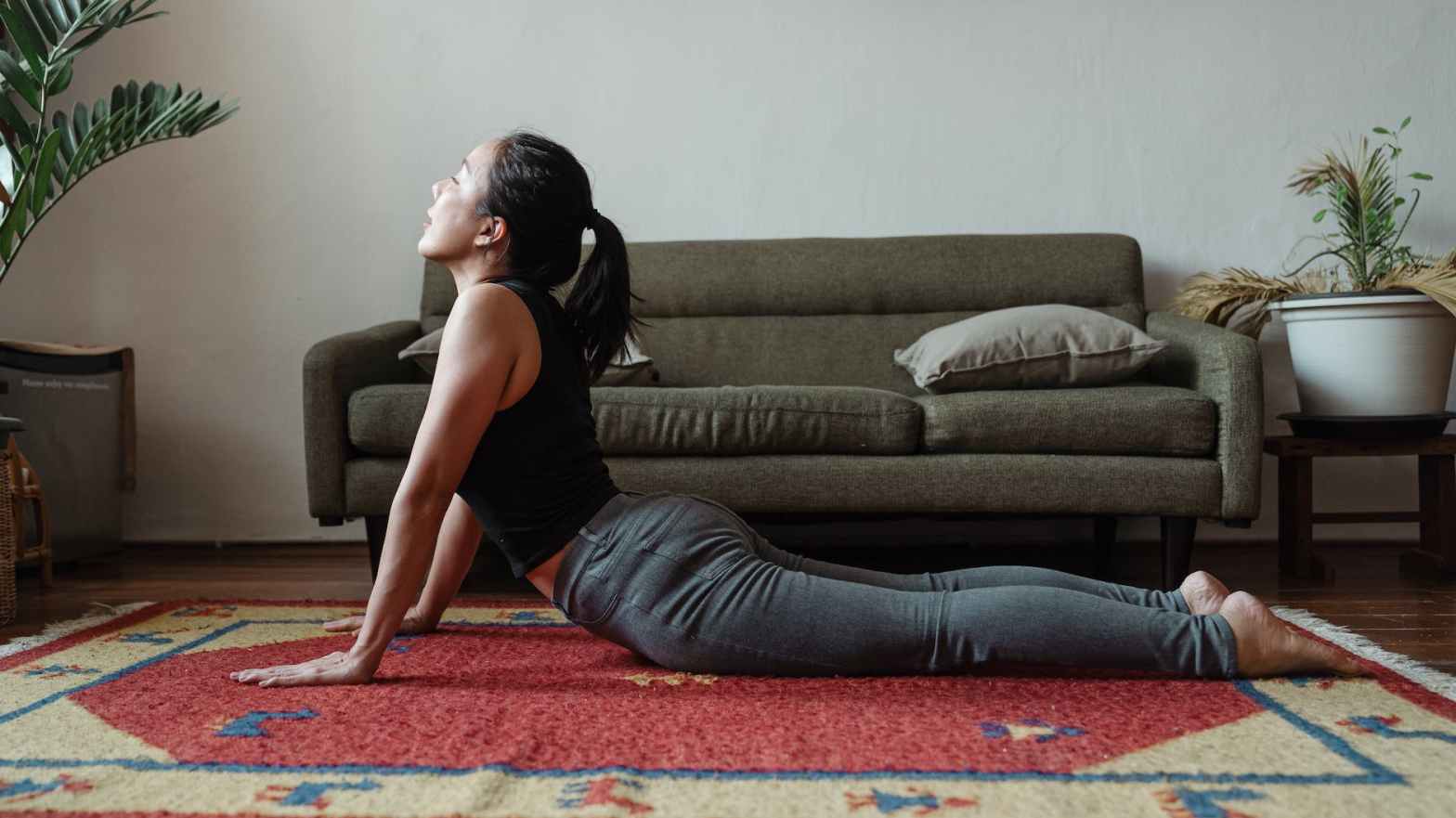
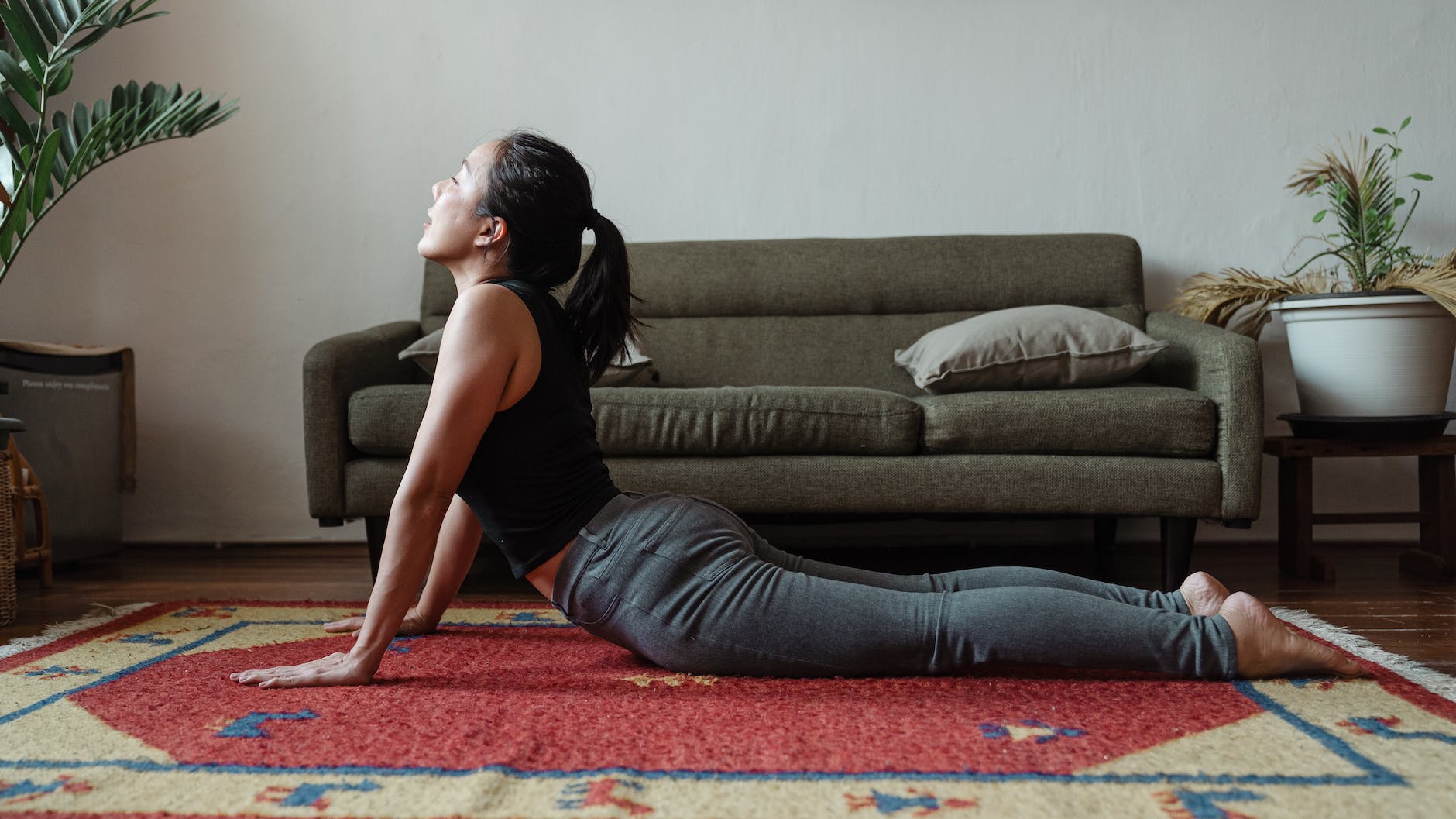
Extension is achieved by lengthening the front side (organ side) of your spine, as in a backbend. Flexion, its partner, is achieved by contracting the front side of your spine, as in a forward fold or cat pose.
Twist Left and Twist Right
Spinal twist is achieved by spinning the rib cage part of your spine (thoracic spine) to one side while your lower back (lumbar spine) stays pointed forward.
Side Bend Left and Side Bend Right
Side bending is achieved by keeping the rib cage part of your spine facing the same direction as your hips and tipping over to either side. Your hips should stay horizontally level during the side bend.
Quick Sequence
Have a few minutes to spare? Complete this quick, simple sequence to move through all six movements of the spine. The entire sequence is done seated in a chair, so you can keep this in your back pocket to sneak in any time of day.
Setup: Sit on the edge of your chair with your feet flat on the floor, underneath your knees. Tilt your pelvis forward and find your sitz bones underneath you.
Extension and Flexion (Seated Cat/Cow): Bring your hands to your knees. Inhale and press your chest forward, then curl it up towards the ceiling. Lift your gaze and squeeze your shoulder blades together. Exhale and round through your back while pulling your belly button towards your spine. Drop your chin towards your chest and pull your shoulder blades apart. Repeat 4-6 times.
Side Bend Left and Side Bend Right (Seated Side Bend): Inhale and sweep your arms overhead. Exhale and lean over towards the right, while keeping your left hip down and even with your right hip. You can bring your right hand to your chair or thigh. Keep your left bicep by your ear, and keep your left shoulder relaxed away from your ear. Inhale back to center with your arms up overhead, and exhale to repeat on the left side. Repeat this sequence, inhaling to center and exhaling to side bend, 4-6 times on each side.
Twist Left and Right (Seated Twist): Inhale and sweep your arms up and overhead. Exhale and twist your rib cage towards the right, while keeping your hips and knees facing forward. Bring your right hand behind you and your left hand to your right knee. Optional: bring your gaze over your right shoulder. Stay here for 4-6 breaths, inhaling to lengthen through your spine, and exhaling to twist a little deeper. Inhale back to center, then repeat on the other side.
A Seventh Movement?
There is arguably a seventh movement of the spine – vertical extension. This is achieved by vertically lengthening your spine, such as in an inversion like handstand or downward facing dog. To add this movement to your quick sequence, end with a standing forward fold or downward facing dog.
 Caitlin Marie Yoga, LLC